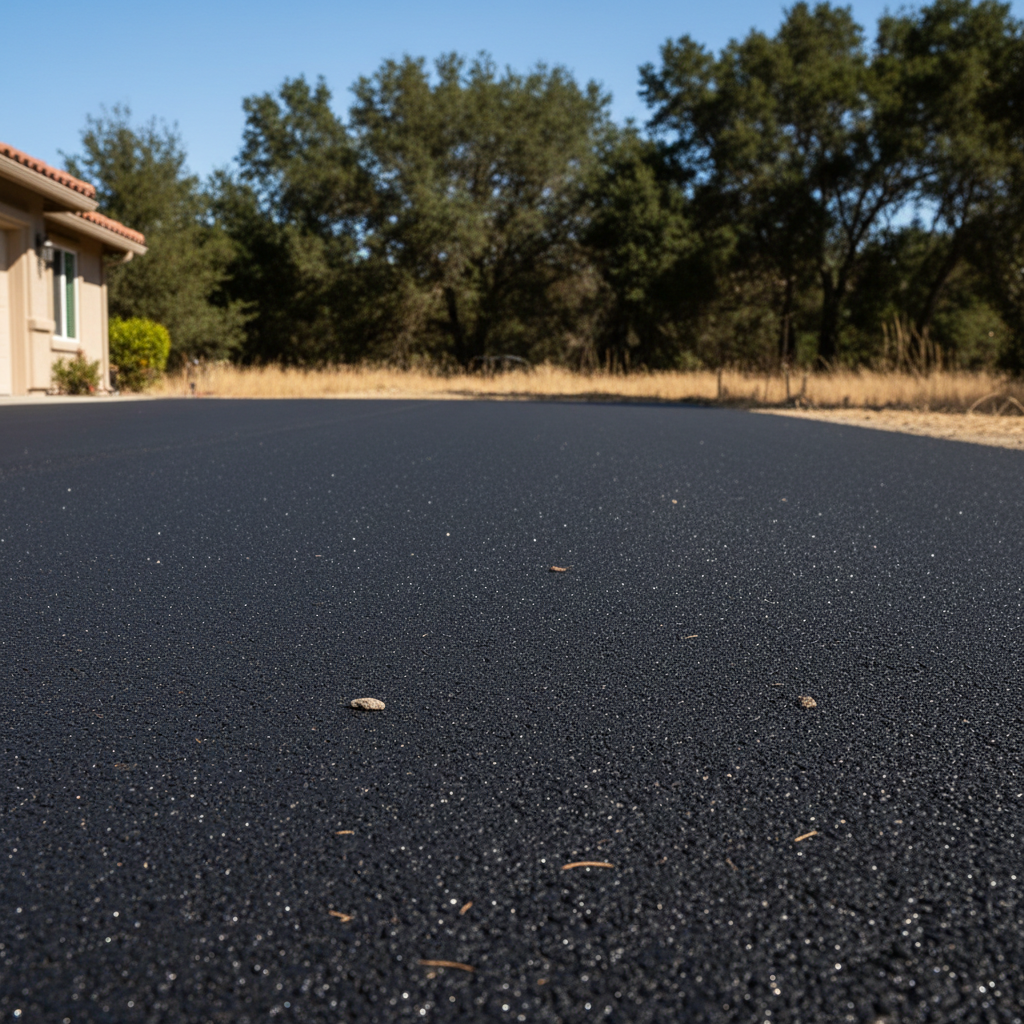
What's the real difference between asphalt and concrete for a driveway?
This is probably the most common question I get, and it's a good one because, let's face it, they both get the job done. But they do it differently. Asphalt, or 'blacktop' as some folks call it, is a petroleum-based product. It's flexible, which is a big deal here in Chico. Our ground can shift a bit, especially with the clay soils we've got in some parts of town, and asphalt handles that movement better than concrete. It's also generally quicker to install and cure, so you can often drive on it sooner. Concrete, on the other hand, is rigid. It's super durable and can last a long time, but it's prone to cracking if the ground moves or if it's not installed perfectly. When concrete cracks, those cracks tend to be permanent and can be tougher to repair seamlessly. Asphalt repairs, like patching, usually blend in a lot better. Plus, asphalt tends to be less expensive upfront, which is always a factor for homeowners, right?
How long should a new asphalt driveway last in Chico?
If it's installed right and you take care of it, a new asphalt driveway in Chico should easily give you 15 to 20 years, sometimes even more. I've seen driveways we put in years ago still looking great. The key is proper installation – good base prep, correct drainage, and the right asphalt mix. Then, it's all about maintenance. Seal it every few years, address any small cracks or potholes quickly, and keep heavy vehicles off it when it's really hot out. That'll extend its life significantly. Our hot Chico summers can be tough on asphalt, making it softer and more susceptible to rutting if it's overloaded. But with a little care, it'll serve you well for decades.
When's the best time of year to install or repair asphalt in Chico?
For new asphalt installation, spring and fall are ideal. You want temperatures to be consistently above 50°F but not scorching hot. This allows the asphalt to be laid and compacted properly, and it cures well without getting too soft too fast. So, late March through May, and then again from September through early November, are prime times. For repairs, especially patching potholes, you can often do those year-round. Still, it's better when it's not freezing or pouring rain. Trying to lay asphalt in the middle of a winter downpour just isn't going to give you a lasting repair. We always keep an eye on the forecast to make sure we're working in the best conditions for a quality job.
My driveway has cracks. Do I need to replace the whole thing, or can it be repaired?
Most of the time, cracks don't mean you need a full replacement. It really depends on the type and extent of the cracking. Small, isolated cracks, or even some alligator cracking (which looks like alligator skin), can often be repaired effectively with crack filling and patching. The goal is to stop water from getting underneath the asphalt, which is what really causes damage. If you've got widespread, deep cracks, significant rutting, or large areas where the asphalt is crumbling and the base is failing, then we might start talking about an overlay or a full removal and replacement. But don't panic if you see a few cracks; let me take a look. We'll give you an honest assessment of what's truly necessary to get your driveway back in shape without breaking the bank.
How often should I sealcoat my asphalt driveway?
Generally, I recommend sealcoating residential driveways every two to three years. Some folks push it to four, and that's usually okay too, especially if your driveway doesn't get a lot of sun exposure or heavy traffic. Sealcoating does a couple of important things: it protects the asphalt from UV rays, which can dry out the binder and make it brittle, and it seals the surface against water penetration and chemicals like oil and gas. It also gives your driveway that nice, dark, refreshed look. Think of it like sunscreen for your driveway. It's a relatively inexpensive maintenance step that significantly extends the life of your asphalt and keeps it looking good. Here at Chico Asphalt Paving, we use quality sealants that hold up well to our local conditions.
What's the deal with drainage? How important is it for my driveway?
Drainage is absolutely critical, probably one of the most overlooked aspects of a long-lasting driveway. Water is asphalt's worst enemy. If water sits on your driveway, it'll start to soften the surface and eventually seep into the base layer. Once the base gets saturated, it loses its strength, and that's when you start seeing potholes, severe cracking, and even sections of your driveway sinking. A properly designed driveway will have a slight slope, usually 1-2%, to direct water away from the house and off the paved surface. We'll make sure the water flows to appropriate drainage areas, whether that's a storm drain, a gravel shoulder, or a swale. If your property has a natural low spot or a tricky grade, we might need to incorporate a trench drain or a catch basin. Getting the drainage right upfront saves you a ton of headaches and repair costs down the road.