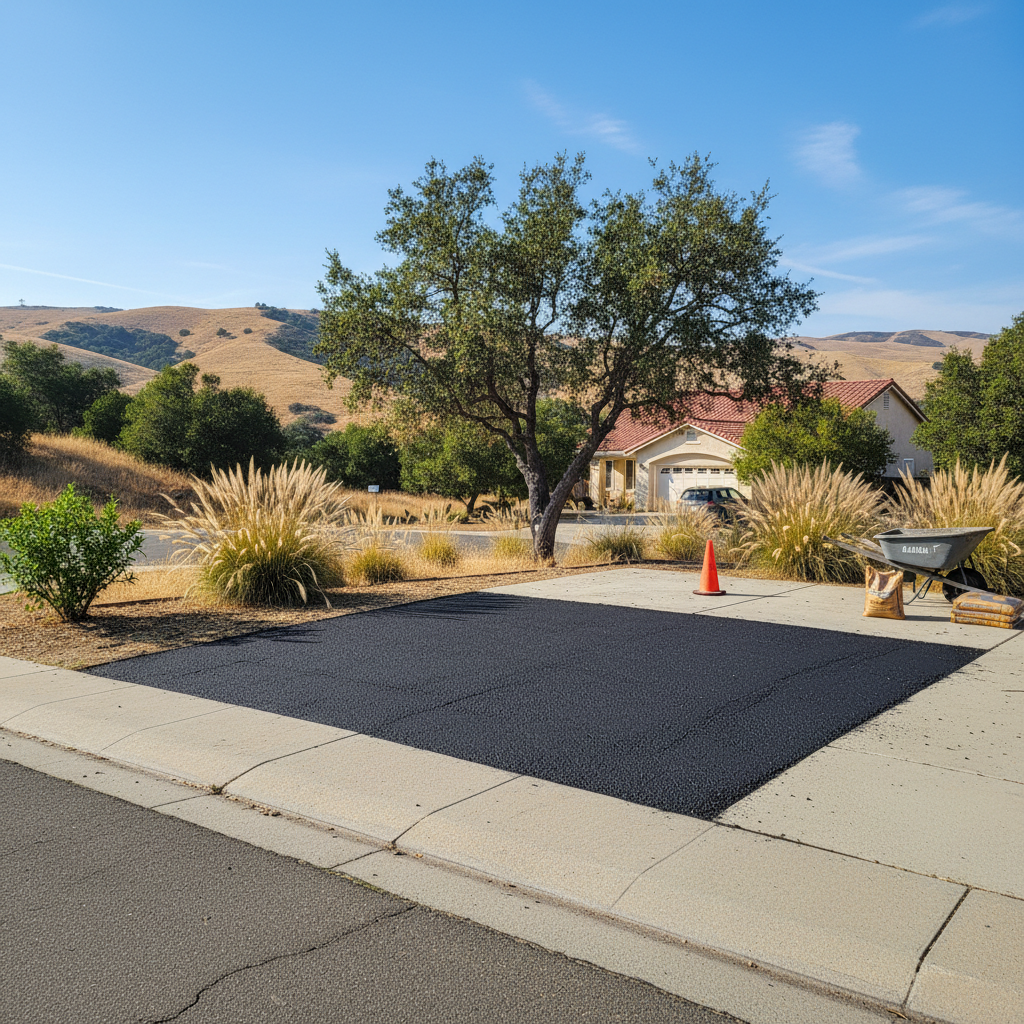
So, you've had some asphalt patching done, maybe on your driveway or a commercial lot around town. That's a smart move, fixing those cracks and potholes before they get worse. But just because it's patched doesn't mean you can forget about it. Think of it like changing the oil in your truck; you don't just do it once and expect it to run forever. You've got to keep an eye on things, especially with our Chico weather extremes.
Extending the Life of Your Asphalt Patch
The biggest thing you can do to make a patch last is to keep water from getting under it. Our rainy season, even if it's not a huge one, can be brutal on asphalt if water finds its way into the sub-base. Once that happens, it's just a matter of time before you're looking at another pothole. So, good drainage around your patched area is key. If you've got standing water near the patch after a rain, that's a problem you need to address. Sometimes it's as simple as clearing a drain or making sure the ground slopes away properly.
Another big one is keeping heavy loads off new patches for a bit. We're talking about a few days, sometimes a week, depending on the patch type and the weather. Your contractor should tell you this, but it's worth repeating. Let that material cure properly. And once it's cured, try to avoid parking heavy equipment or vehicles right on the edge of a patch for extended periods. That constant stress can weaken the bond over time.
What Regular Maintenance Looks Like
Regular maintenance for an asphalt patch isn't rocket science, but it does take a little attention. For starters, keep the area clean. Dirt, leaves, and debris can trap moisture against the asphalt, which isn't good. A quick sweep or blow-off now and then is all it takes. You'd be surprised how much gunk can build up, especially if your property is surrounded by trees, like a lot of the older neighborhoods near Bidwell Park.
Sealcoating is probably the most effective thing you can do for any asphalt, patches included. It's like sunscreen for your pavement. It protects against UV rays, which are a major cause of asphalt deterioration here in sunny California, and it helps seal out water. We recommend sealcoating every two to three years for most residential and light commercial applications. It'll make your whole surface look better, too, not just the patched spots.
Also, keep an eye on any vegetation. Tree roots are notorious for cracking pavement. If you've got small weeds popping up through a patch, pull them out. If you let them grow, their roots will expand and compromise the repair.
Warning Signs You Shouldn't Ignore
You don't need to be an asphalt expert to spot trouble. Here are some things to watch for:
- Cracks forming around the patch: This is a big red flag. It means the patch might not be bonding well with the surrounding pavement, or there's an underlying issue with the sub-base.
- The patch sinking or rising: If the patch isn't level with the rest of the asphalt, it indicates movement underneath. This could be due to soil erosion or improper compaction when the patch was installed.
- Loose aggregate: If you're seeing small stones coming loose from the surface of the patch, it means the binder isn't holding up. This exposes the patch to more wear and tear.
- Water pooling on the patch: If water collects on the patched area and doesn't drain away, it's going to accelerate deterioration.
- Fading or dullness: While not as critical as cracks, a patch that looks significantly lighter or duller than the surrounding pavement might be losing its protective seal, making it more vulnerable.
Our hot, dry summers here in Chico can really bake the asphalt, making it brittle, and then the winter rains come along and exploit any weaknesses. That's why being proactive with these warning signs is so important.
When to Call a Professional
Look, you can handle a lot of the basic stuff yourself, but some problems need a pro. If you see any of those warning signs I just mentioned, especially significant cracking or sinking, it's time to pick up the phone. Don't wait until a small issue turns into a massive repair job. Early intervention can save you a lot of money and headaches down the road.
If you're unsure about the best way to sealcoat your pavement, or if you've got drainage issues that are beyond a simple fix, that's also a good time to call. We're happy to come out, take a look, and give you an honest assessment. At Chico Asphalt Paving, we've seen it all, from small driveway patches to huge commercial parking lots. We can tell you what needs doing and what can wait. A little preventative maintenance now means your asphalt patches, and your entire paved surface, will serve you well for years to come.